
Things to Do in Luxor
Luxor can overwhelm first-time visitors due to its incredible concentration of ancient sites, with about one-third of the world’s monuments located in this former capital of ancient Thebes. The city is divided by the Nile into two distinct areas: the East Bank, home to major temples and modern life, and the West Bank, known for royal tombs and the Theban Necropolis.
This guide helps travelers prioritize must-see attractions, plan their time effectively, and navigate the experience for a deeper understanding of ancient Egyptian civilization.
Essential Things to Do in Luxor: The Unmissable Experiences
Valley of the Kings: The Royal Necropolis
The Valley of the Kings is a must-visit in Luxor, serving as the burial site of New Kingdom pharaohs like Tutankhamun and Ramesses II. It features over 60 tombs, with a selection open to visitors, showcasing remarkably preserved wall paintings and advanced ancient architecture. Standard tickets allow entry to three tombs, while famous ones like Tutankhamun and Seti I require extra fees. For the best experience, visit early morning to avoid heat and crowds, plan 2–3 hours, and note that photography inside tombs is not allowed.
Karnak Temple: The Ultimate Temple Complex
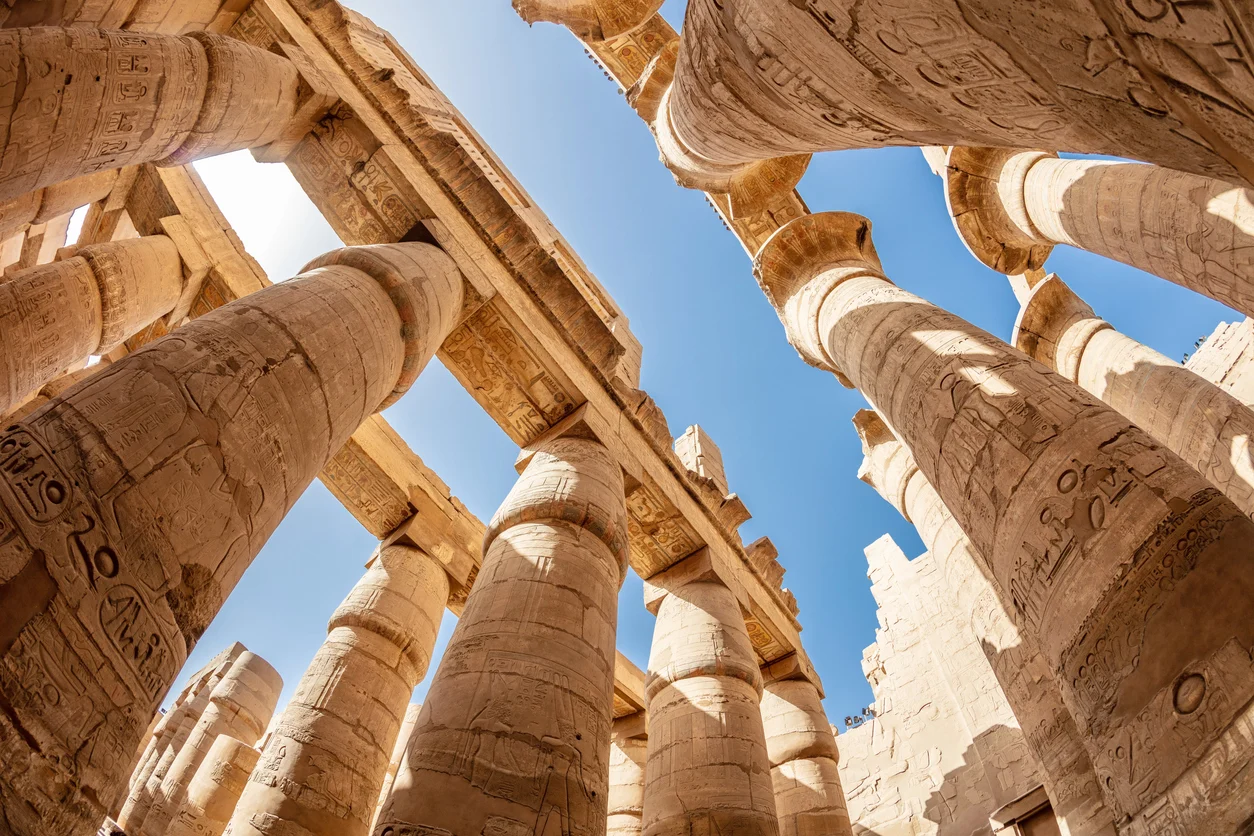
Karnak is the largest religious complex in ancient Egypt and one of Luxor’s most remarkable attractions, developed over more than 2,000 years. Its most iconic feature, the Hypostyle Hall with 134 massive columns, creates an awe-inspiring sense of scale and grandeur. The site also includes the Sacred Lake, numerous temples, towering pylons, and the Avenue of Sphinxes linking it to Luxor Temple. To enjoy it fully, visit early in the morning or late in the afternoon, plan at least 2–3 hours, and consider hiring a guide to better understand its rich history.
Hot Air Balloon Over the West Bank
Floating silently above the Theban Necropolis at sunrise ranks among the most spectacular things to do in Luxor—and arguably all of Egypt. Hot air balloon rides provide perspectives on Luxor's archaeological landscape impossible to achieve from ground level.
What Makes It Essential:
As the sun rises over the Nile, you drift above the Valley of the Kings, Hatshepsut's Temple, Medinet Habu, the Colossi of Memnon, and agricultural fields following the same patterns maintained for millennia. The contrast between green cultivation along the Nile and barren desert mountains creates stark visual drama. You witness the scale of ancient Thebes—understanding how massive this city was when temples we see as isolated monuments formed interconnected ceremonial landscapes.
Practical Intelligence:
Book through reputable operators (Sindbad Balloons and Hod Hod Soliman are established companies). Costs run $80-150 USD per person depending on season and group size. Pickups begin around 4:00-4:30 AM for sunrise launches. Flights last 45-60 minutes typically. Weight restrictions apply (usually 120 kg/265 lbs maximum per passenger). Winter months (November-February) offer best conditions—summer heat makes ballooning less comfortable and sometimes impossible.
Some hotels include balloon rides in packages (verify operator quality before accepting).
Luxor Temple: The Night Temple Experience
While Karnak impresses through scale, Luxor Temple captivates through elegance and its unique urban setting—built not in isolated desert but in the heart of ancient and modern Luxor. Among activities in Luxor, visiting this temple at night offers something special.
What Makes It Essential:
Luxor Temple's compact design (compared to sprawling Karnak) makes it easily navigable while containing extraordinary features: the Avenue of Sphinxes, the Great Court of Ramesses II with its double colonnade, the Colonnade of Amenhotep III with papyrus-capital columns, and the inner sanctuary where Alexander the Great claimed Egyptian legitimacy. The temple's nighttime illumination creates dramatic shadows and highlights details invisible during harsh daytime sun.
Practical Intelligence:
Visit after 5:00 PM when lighting begins for photography opportunities impossible during day. The temple stays open until 9:00 PM. Luxor Temple sits in the city center—easily walkable from most hotels or a short taxi ride. Combine with dinner at corniche restaurants overlooking the Nile. Allow 1-2 hours. The Avenue of Sphinxes connecting Luxor to Karnak was fully restored and reopened in 2021—walk portions for free even without temple tickets.
West Bank Activities in Luxor: The Necropolis Explored
Hatshepsut's Mortuary Temple (Deir el-Bahari)
Queen Hatshepsut's temple represents ancient Egyptian architecture's most dramatic departure from traditional designs—terraces carved into limestone cliffs creating integration between human construction and natural landscape unmatched in Egyptian architecture.
Why Visit:
The three-tiered structure rising against vertical cliffs creates stunning visual impact. Relief carvings depicting Hatshepsut's divine birth, her trading expedition to the Land of Punt, and various religious scenes showcase New Kingdom artistic refinement. The temple's controversial history—Hatshepsut was one of ancient Egypt's few female pharaohs, and her successor attempted to erase her from history—adds human drama to architectural beauty.
Practical Intelligence:
Visit early morning (6:00-8:00 AM) before heat becomes oppressive and tour buses arrive. The site offers virtually no shade. Combine with the Valley of the Kings (nearby) in a single morning West Bank tour. Photography allowed throughout. Allow 45-60 minutes.
Medinet Habu: The Overlooked Masterpiece
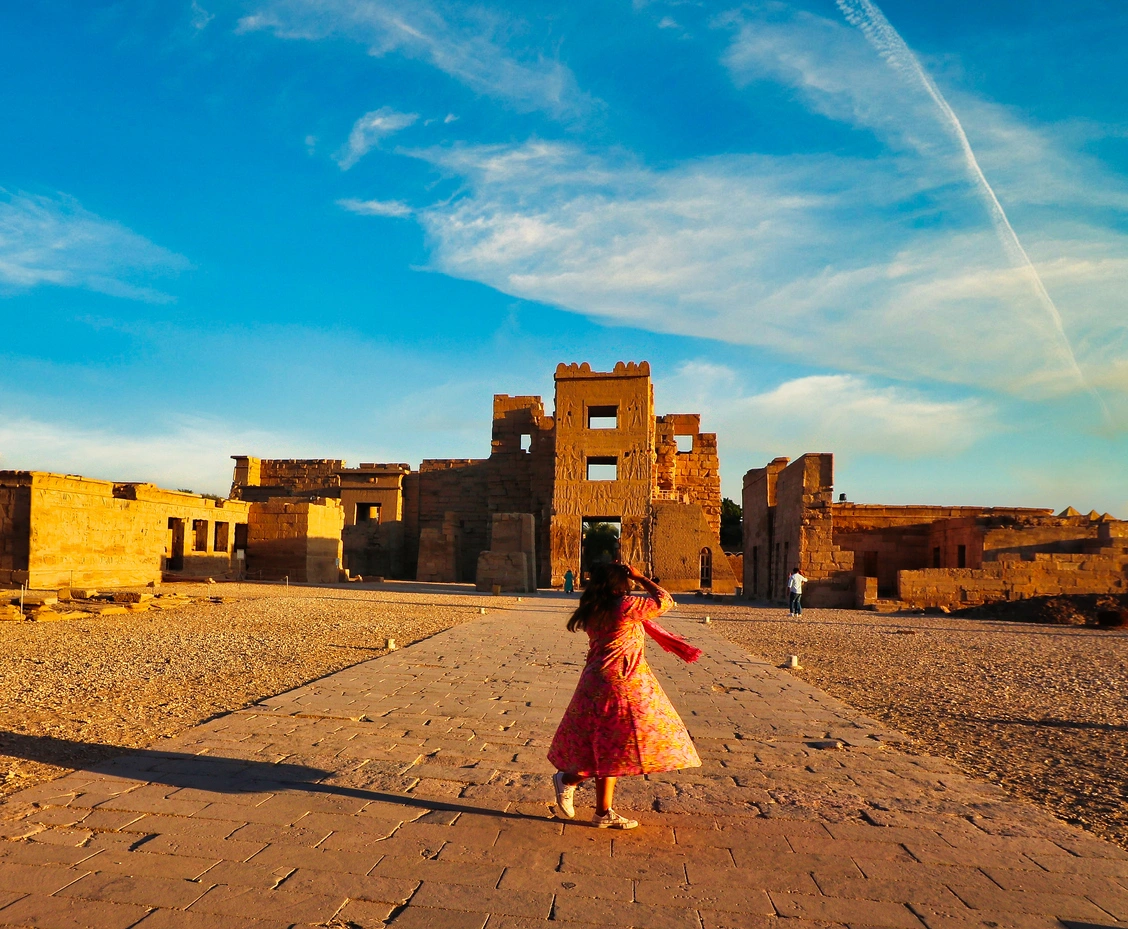
Medinet Habu—Ramesses III's mortuary temple—receives a fraction of Karnak's visitors despite containing some of Luxor's finest preserved relief carvings. Among things to do in Luxor, this temple rewards visitors seeking less crowded experiences without sacrificing quality.
Why Visit:
The first pylon displays dramatic battle scenes showing Ramesses III's naval victories over invading "Sea Peoples." The first courtyard features remarkably preserved painted columns and relief scenes with original colors visible. The temple's excellent preservation stems from later Christian and Islamic communities building within the complex, protecting ancient reliefs even while converting spaces to churches and homes.
Practical Intelligence:
Often combined with other West Bank sites in afternoon tours. Less crowded than Valley of Kings or Hatshepsut Temple—sometimes nearly empty. Photography allowed. Allow 60-90 minutes to appreciate detail. Located near Valley of the Queens if combining sites.
Deir el-Medina: The Workers' Village
This remarkably preserved ancient village housed the craftsmen, artists, and workers who built and decorated royal tombs in the Valley of the Kings. The site offers unique perspectives on daily life in ancient Egypt rather than just royal monuments.
Why Visit:
Walk through actual streets where workers lived 3,300 years ago. Visit workers' own tombs—smaller than royal tombs but featuring exquisite paintings demonstrating the artistic skill of those who created royal tombs. The tombs of Sennedjem and Inherkhau contain particularly beautiful paintings with exceptional color preservation.
Practical Intelligence:
Less visited than major sites—often peaceful and uncrowded. Separate ticket from Valley of Kings. Worker tombs typically included in standard ticket. Photography prohibited in tombs. Allow 60 minutes. Best combined with other West Bank sites in comprehensive day tours.
Nile River Activities in Luxor
Felucca Sunset Sailing
Traditional felucca sailboats—unchanged for millennia—offer peaceful Nile experiences contrasting with temple visits' intensity. Sailing during sunset provides one of the most romantic activities in Luxor.
Why Do It:
Watch the sun set over the West Bank mountains while drifting silently under wind power. See Luxor Temple illuminated from the river. Experience the Nile as ancient Egyptians did—under sail, moving with wind and current. The silence and slow pace create meditative experiences impossible in motorboats.
Practical Intelligence:
Negotiate directly with felucca captains along the corniche (50-100 EGP per hour for small boat). Agree on price, duration, and route before boarding. Sunset sails (1-2 hours) are most popular. Bring water and sun protection. Some feluccas offer multi-day sailing trips to Aswan (3-4 days)—romantic but basic accommodations.
Nile Cruise Departures
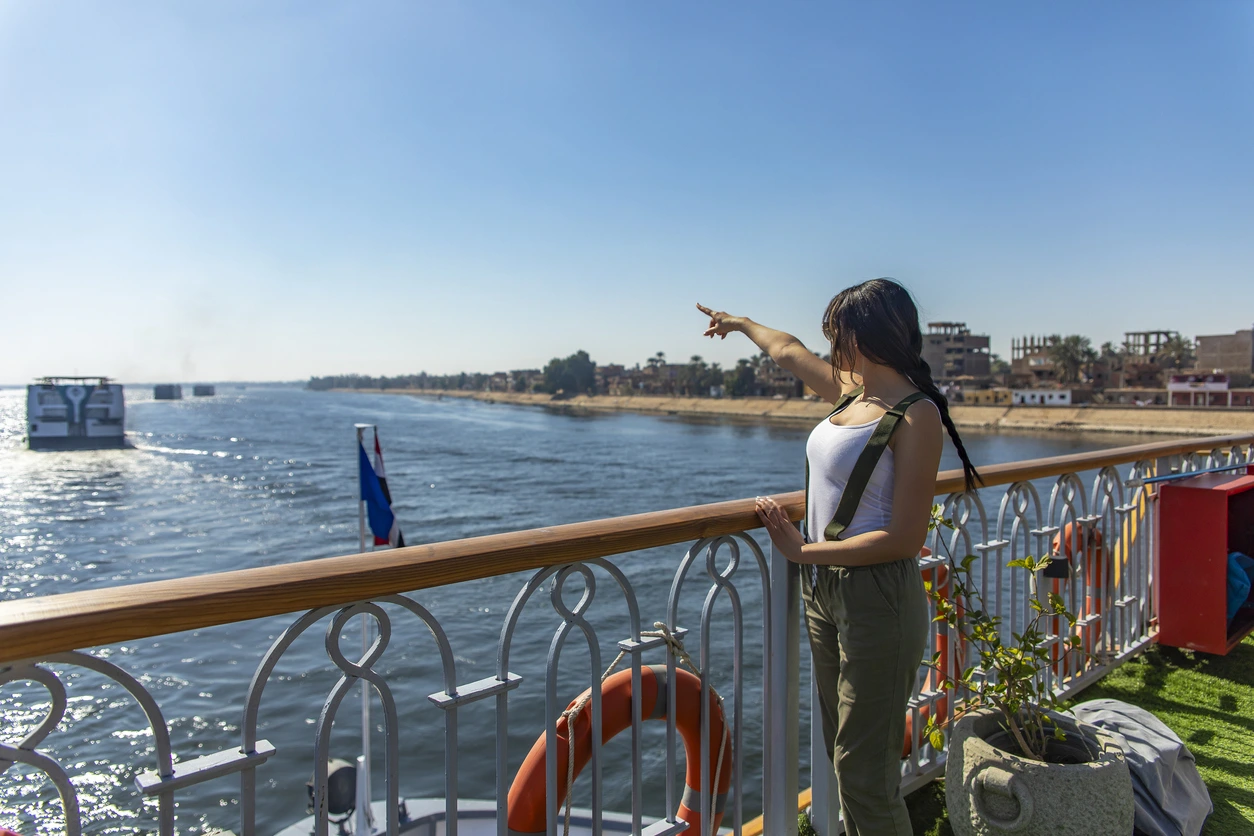
While Nile cruises aren't purely "Luxor" activities, most cruises between Luxor and Aswan begin or end in Luxor. These 3-5 night cruises visit temples along the Nile while providing floating hotel comfort.
Practical Intelligence:
Cruises depart Luxor multiple times weekly heading south to Aswan (or vice versa). Standard itineraries visit Edfu Temple, Kom Ombo Temple, and Aswan attractions while spending days in Luxor before or after cruising. Book through reputable companies or hotels. Prices vary dramatically (budget options $400-800 per person for 4 nights, luxury options $800-2,000+).
Museums and Cultural Activities in Luxor
Luxor Museum
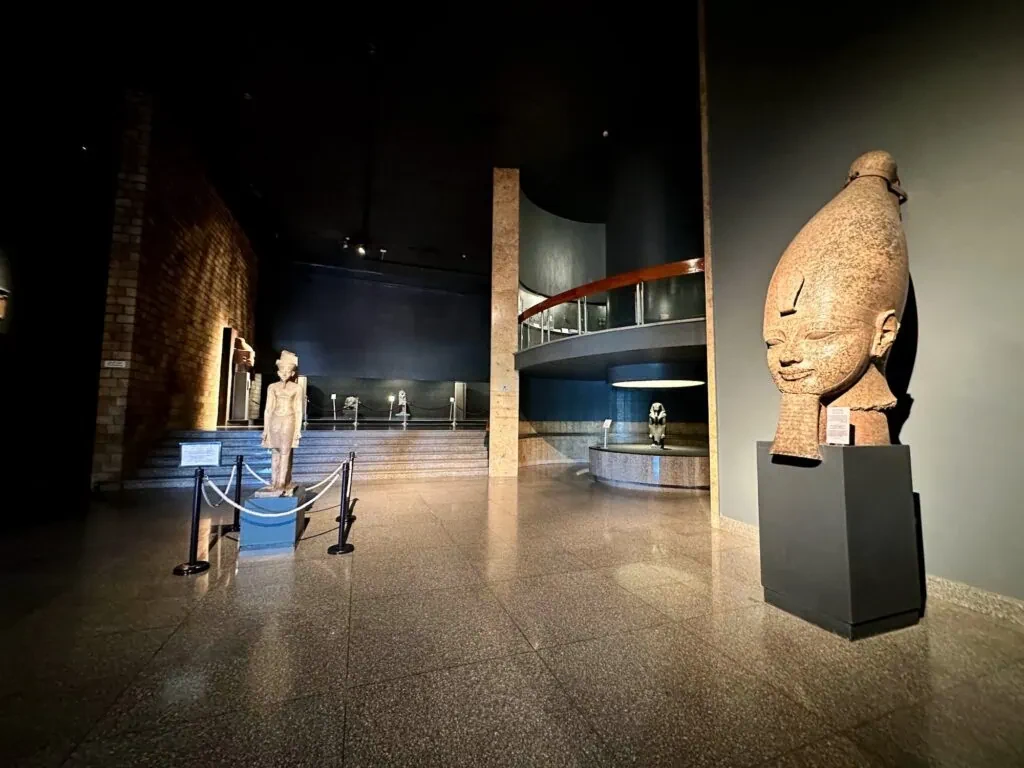
This small but exceptional museum displays artifacts from Luxor area temples and tombs with modern presentation superior to Cairo's Egyptian Museum's crowded displays.
Why Visit:
Quality over quantity defines this museum. Highlights include statues from Karnak's cachette (hidden chamber), New Kingdom royal mummies, Tutankhamun artifacts not in Cairo, and explanatory displays providing context often missing at archaeological sites.
Practical Intelligence:
Located on the corniche between Luxor Temple and Karnak. Open 9:00 AM-2:00 PM and 4:00 PM-9:00 PM (hours vary seasonally). Allow 60-90 minutes. Air-conditioned respite from Luxor heat. Combine with corniche walks.
Mummification Museum
Dedicated entirely to ancient Egyptian mummification processes, this small museum reveals techniques creating Egypt's iconic mummies.
Why Visit:
Learn actual embalming procedures, tools, materials, and religious significance. See mummified animals and human mummies. Understand the 70-day process preparing bodies for eternity.
Practical Intelligence:
Located on corniche near Mummification Museum. Smaller than Luxor Museum—allow 30-45 minutes. Often included in Luxor Museum combination tickets. Open similar hours to Luxor Museum.
Local Experiences and Practical Activities in Luxor
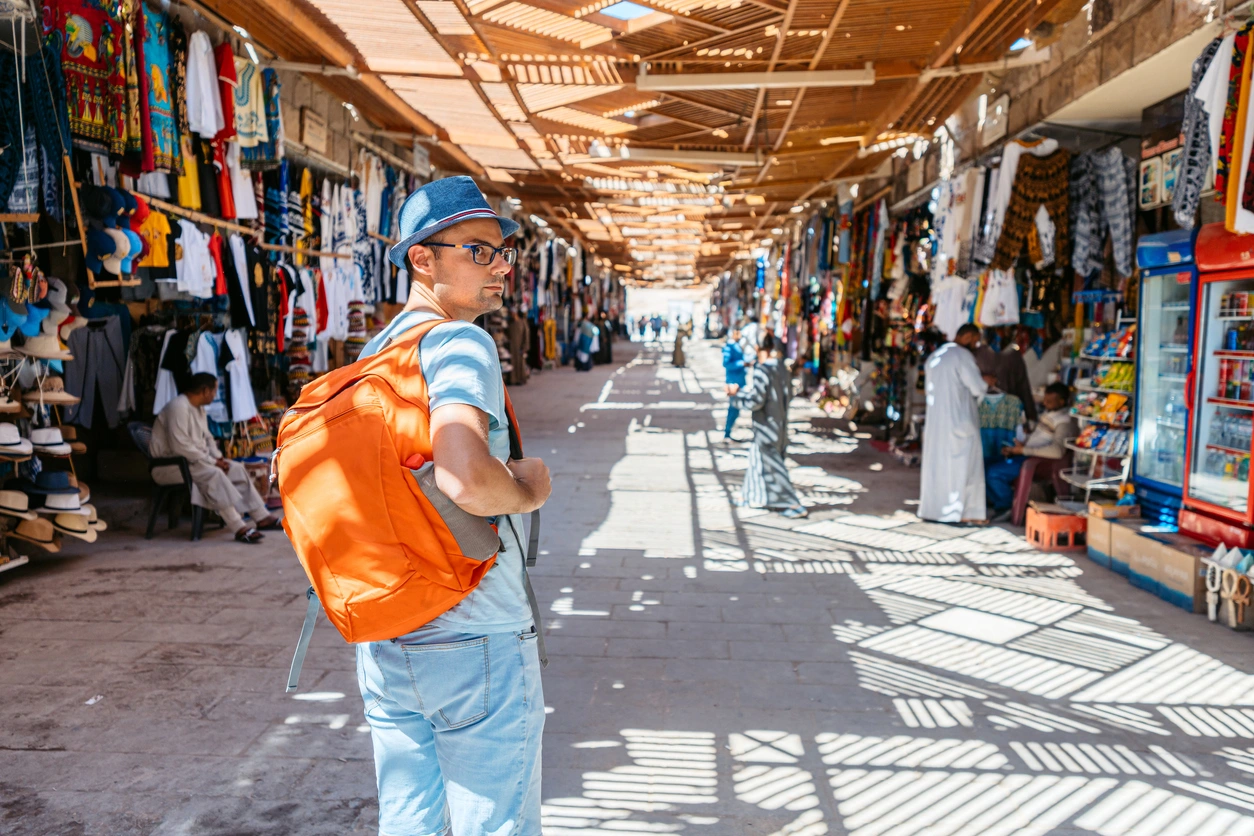
Souq Shopping
Luxor's traditional souq offers authentic market experiences alongside inevitable tourist shopping.
What to Experience:
Spices, textiles, alabaster carvings (Luxor specialty), papyrus (mostly fake but decorative), jewelry, traditional clothing, and endless souvenir varieties. The souq itself provides cultural experiences—observing local shopping, bargaining culture, and daily market life.
Practical Intelligence:
Start bargaining at 30-40% of initial asking price. Quality varies dramatically—learn to distinguish real alabaster from painted plaster, genuine papyrus from painted banana leaves. Souq located near Luxor Temple. Best visited early evening when locals shop and it's cooler.
Corniche Walks
The Nile corniche—waterfront promenade—provides free activities in Luxor ideal for evening relaxation.
Why Do It:
Watch feluccas sailing, see Luxor Temple illuminated, enjoy river breezes, observe local life, and access restaurants and cafes. The corniche connects major sites and offers pleasant walking between attractions.
Timing and Logistics: Maximizing Your Luxor Time
How Many Days in Luxor?
Minimum: 2 days (1 day West Bank including Valley of Kings, Hatshepsut Temple; 1 day East Bank with Karnak and Luxor Temple)
Recommended: 3 days (adds balloon ride, museums, relaxed pace, additional West Bank sites)
Ideal: 4 days (comprehensive coverage including lesser-visited sites, multiple temple visits at different times, cultural experiences)
Best Time to Visit
October-April: Peak season with comfortable temperatures (20-30°C/68-86°F). Sites crowded but weather perfect for tomb visits.
May-September: Extremely hot (35-45°C/95-113°F). Sites less crowded, prices lower, but heat makes extensive outdoor exploration challenging. Early morning visits essential.
Ticket System Intelligence
Luxor Pass available for multiple sites (valid 5 days, costs vary)—calculate if worthwhile based on sites you'll visit versus buying individual tickets. Most sites sell tickets at entrances. Valley of Kings has separate ticket office before site entrance. Some premium tombs (Tutankhamun, Seti I) require tickets purchased at separate counters.
FAQS
Q1: What are the top 3 must-see things to do in Luxor?
Q2: How many days do you need in Luxor to see the main attractions?
Spend at least 2 days in Luxor—one for the West Bank and one for the East Bank. A 3-day visit allows for a more relaxed pace with added experiences like a hot air balloon ride and museums, while 4 days lets you explore additional sites and enjoy cultural activities such as felucca sailing and souq visits.
Q3: What activities in Luxor are best for sunrise and sunset?
For the best experience, start your day at sunrise with a hot air balloon ride or an early visit to the Valley of the Kings to avoid crowds and heat. In the evening, enjoy sunset activities like felucca sailing, visiting Luxor Temple under dramatic lighting, or taking in views from the West Bank.
Q4: Are there activities in Luxor besides visiting temples and tombs?
Yes, beyond ancient sites: hot air balloon flights, Nile felucca sailing, Luxor Museum and Mummification Museum (climate-controlled), traditional souq shopping for alabaster and spices, corniche walks along the Nile, cooking classes, and Nile cruise departures to Aswan. Many hotels offer pool days and spa treatments for temple-visit recovery.
Q5: What's the best time of day to visit the Valley of the Kings?
6:00 AM opening time is ideal—tombs are empty, temperatures comfortable, and you avoid cruise ship groups (9:00-11:00 AM). The valley has no shade and reaches 45°C/113°F by midday in summer. Visit early, then retreat to air-conditioned spaces during peak heat, resuming sightseeing late afternoon.
Q6: Do I need a guide for things to do in Luxor or can I visit independently?
Both work. Independent visits are possible with guidebooks/apps. Egyptologist guides (200-300 EGP/2 hours) dramatically enhance understanding at complex sites like Karnak and Valley of Kings. Best compromise: hire guides for Karnak and Valley of Kings, visit simpler sites (Luxor Temple, Hatshepsut Temple) independently.

Related Tours
More Articles You May Like
Happy Travellers with Cairo Nile Cruise!
Take a look at our top Egypt Tours reviews, where you will find firsthand insights from our very own Intrepid travellers.