
King Tutankhamun: The Golden Pharaoh Who Brought Egypt Back to Life
When people think of ancient Egypt, the first name that often comes to mind is King Tutankhamun — the boy king whose glittering tomb captured the imagination of the entire world. Though his reign was short, Tutankhamun’s impact on Egypt was deep and lasting, marking a turning point in its history and faith.
Let’s travel back more than 3,300 years and discover how this young pharaoh brought back balance, beauty, and belief to a kingdom that had nearly lost its soul.
The Boy Who Became Pharaoh
Born around 1341 BC, Tutankhamun came into a world of change. He was the son of Pharaoh Akhenaten, who had turned Egypt’s traditional religion upside down by promoting the worship of one god — Aten, the sun disk.
Tutankhamun’s birth name was Tutankhaten, meaning “Living Image of Aten.” But after Akhenaten’s death, Egypt was left divided and spiritually shaken. At just nine years old, Tutankhamun ascended the throne, guided by his advisors Ay and Horemheb, determined to bring peace and tradition back to his land.
Restoring Egypt’s Faith
One of Tutankhamun’s most important acts was returning Egypt to its ancient religion. He changed his name to Tutankhamun — “Living Image of Amun” — symbolizing the return of the great god Amun and the pantheon of Egypt’s traditional deities.
Under his rule, temples reopened, priests regained their roles, and the festivals of the gods were revived. For the Egyptian people, this young king represented hope — the rebirth of faith and order after years of confusion.
Rebuilding the House of Amun at Karnak
Among the temples Tutankhamun helped restore, none was more significant than Karnak Temple in Thebes (modern-day Luxor) — the spiritual heart of ancient Egypt.
During his father Akhenaten’s reign, the worship of Amun was forbidden, and many parts of the temple were abandoned or even damaged. Tutankhamun took great care to reverse this.
His contributions to Karnak included:
1- Restoring damaged sanctuaries and reopening the great halls that had once been silent.
2- Removing Aten’s inscriptions and replacing them with carvings honoring Amun-Ra, the chief deity.
3- Building a small shrine for Amun, used during sacred rituals and processions.
4- Reviving the Opet Festival, one of Egypt’s most important celebrations, which began at Karnak and sailed down the Nile to the Temple of Luxor — symbolizing the king’s spiritual bond with Amun.
5- Inscribing his name on temple walls as a lasting reminder of the young ruler who brought divine harmony back to Thebes.
6- Through these acts, Tutankhamun didn’t just rebuild stones — he restored Egypt’s spirit, earning the love of his people and the gratitude of the gods.
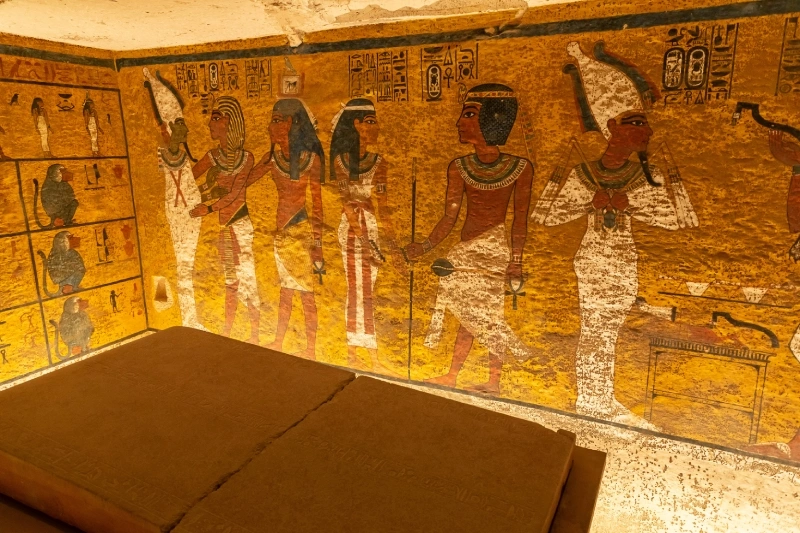
Achievements of a Young King
Although Tutankhamun ruled for less than a decade, his reign is remembered for far more than its length.
1. Religious Restoration
He re-established the traditional gods of Egypt and reinstated the powerful priesthood of Amun, bringing stability to a shaken nation.
2. Artistic Revival
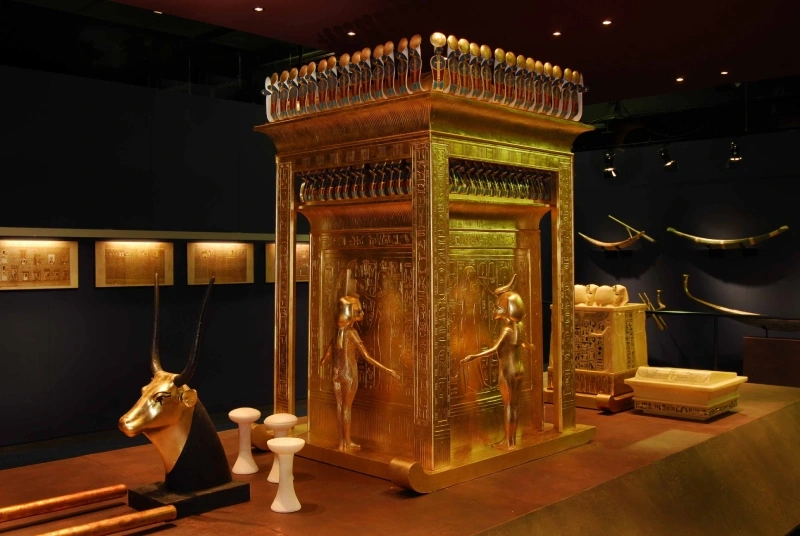
Under his rule, Egyptian art returned to its classical elegance — realistic yet divine. The golden artifacts from his tomb show the craftsmanship and creativity of this renewed artistic age.
3. Rebuilding and Diplomacy
Temples across Egypt, from Karnak to Luxor, were repaired. Diplomatic relations with neighboring regions such as Nubia and Syria were revived, helping restore peace and prosperity.
4. Healing Egypt’s Soul
Tutankhamun’s greatest achievement wasn’t war or conquest — it was healing. He gave Egyptians back their gods, their art, and their confidence.
The Man Behind the Mask
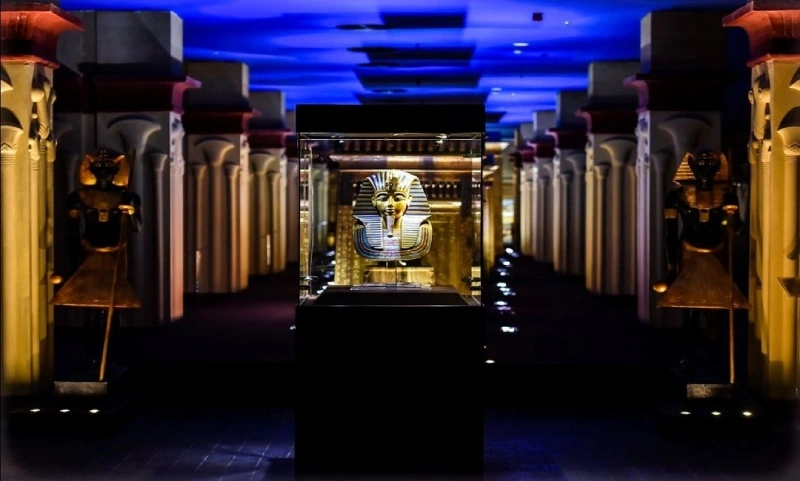
Beneath the golden mask was a real person — a teenager who carried the weight of an empire.
He married his half-sister Ankhesenamun, the daughter of Nefertiti, and together they ruled during a time of renewal.
However, Tutankhamun’s health was fragile. Studies on his mummy revealed that he suffered from malaria, a clubfoot, and genetic disorders caused by royal inbreeding. These illnesses likely contributed to his early death around age 18 or 19.
Despite his short life, Tutankhamun left behind a story more powerful than any monument — a story of rebirth.
The Tomb That Made Him Immortal
When Tutankhamun died unexpectedly, his officials had little time to prepare a royal burial. He was laid to rest in a small tomb in the Valley of the Kings — known today as KV62.
For over 3,000 years, the tomb remained hidden, untouched by grave robbers. Then, in 1922, British archaeologist Howard Carter, funded by Lord Carnarvon, discovered the most famous archaeological find in history.
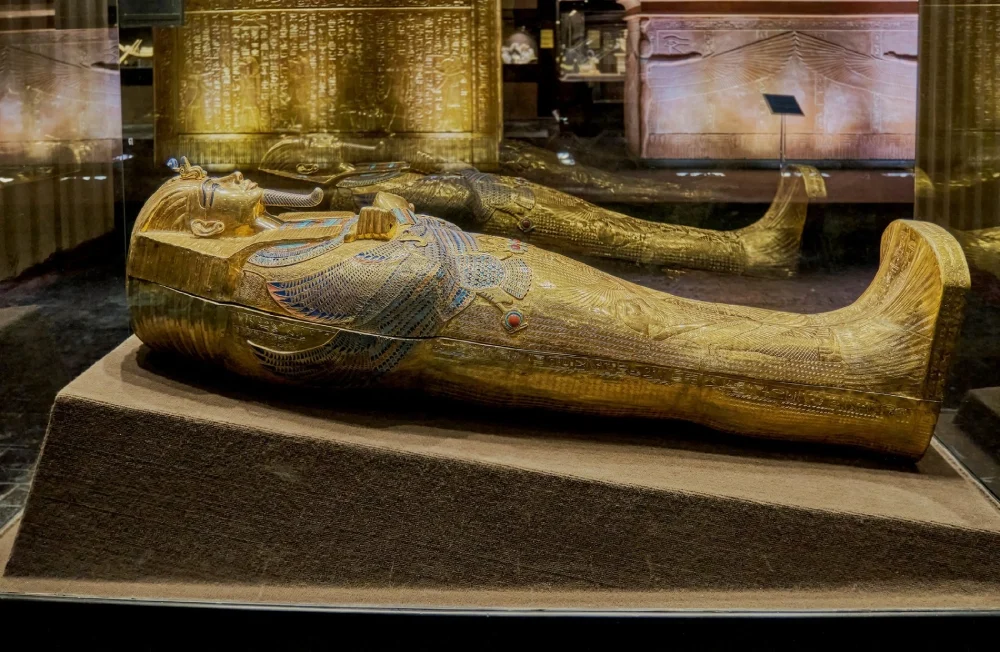
Inside were over 5,000 treasures — golden thrones, chariots, jewelry, and the breathtaking golden mask that became the symbol of ancient Egypt. The world was astonished, and Tutankhamun’s name became eternal.
King Tut in the Grand Egyptian Museum
For decades, Tutankhamun’s treasures were displayed at the Egyptian Museum in Tahrir Square. But a new chapter began with the opening of the Grand Egyptian Museum (GEM) near the Giza Pyramids.
Following its full opening on November 1, the entire Tutankhamun collection — all 5,000+ artifacts — now resides at the GEM, beautifully preserved and displayed together for the first time.
Visitors can walk through halls that trace his short life, his golden legacy, and the astonishing craftsmanship of ancient Egypt. It’s not just an exhibition — it’s a journey through time.
The Legacy of Tutankhamun
King Tut’s reign might have been short, but his impact has lasted more than three millennia. His rediscovery sparked a global fascination known as “Tutmania”, influencing art, fashion, and film around the world.
In Egypt, he represents something deeper — the power of renewal.
From Luxor’s Valley of the Kings to the Grand Egyptian Museum, Tutankhamun continues to inspire millions who come to see the treasures of a boy who became immortal.
Explore Tutankhamun’s World with Cairo Nile Cruise
If you’ve ever dreamed of walking in the footsteps of the pharaohs, Cairo Nile Cruise makes it easy to turn that dream into reality.
Start your journey in Cairo, exploring the Grand Egyptian Museum and Tutankhamun’s golden treasures, then sail along the Nile River to Luxor and Aswan, visiting temples, tombs, and ancient wonders that shaped history.
At Cairo Nile Cruise, we design unforgettable Egypt tours and luxury Nile cruises that blend comfort, culture, and discovery — giving you the chance to experience Egypt just as Tutankhamun once knew it.
Book your Egypt tour today and uncover the golden story of the boy king who changed history.
FAQs
1. Who were Tutankhamun’s parents?
He was the son of Pharaoh Akhenaten, the ruler who promoted the worship of the sun god Aten.
2. How old was Tutankhamun when he became king?
He took the throne at around nine years old and ruled for about nine years.
3. Why is Tutankhamun so famous?
Because his tomb was discovered almost completely intact — filled with thousands of golden treasures.
4. What did Tutankhamun achieve during his reign?
He restored Egypt’s traditional religion, repaired temples like Karnak, revived art, and reestablished peace.
5. Where can I see King Tut’s treasures today?
All of them are displayed at the Grand Egyptian Museum (GEM) in Giza, fully opened on November 1.
6. Can I visit Tutankhamun’s tomb?
Yes! His tomb, KV62, is open to visitors in the Valley of the Kings, Luxor.
7. What’s the best way to explore Tutankhamun’s Egypt?
Join a Nile cruise or guided Egypt tour with Cairo Nile Cruise to see Cairo, Luxor, and Aswan in one unforgettable trip.
Related Tours
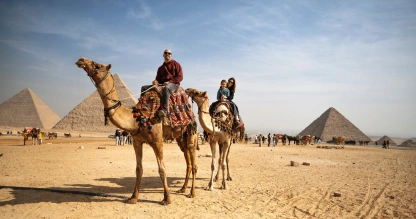
8-Day Egypt Christmas Tour 2025
Egypt Christmas Tour — enjoy a festive Nile cruise, visit the Pyramids, explore Luxor temples, and celebrate in style. A perfect mix of adventure, culture, and luxury. Reserve your tour today!
- 8 Days / 7 Nights
- Private Tour
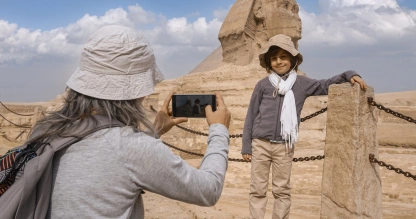
Egypt Tour: Cairo to Luxor Tour
5 Day Egypt Tour — Discover Cairo, Luxor, and the Nile in style. Enjoy guided tours, luxury accommodations, and timeless landmarks. Reserve your premium Egyptian adventure now and make memories to last a lifetime!
- 5 Days / 4 Nights
- Private Tour

7 Days Egypt and Nile Cruise Tour
Experience history and luxury on an Egypt and Nile cruise tour — cruise the Nile, admire pyramids, explore Luxor temples, and visit iconic landmarks. Reserve your unforgettable journey today!
- 7 Days / 6 Nights
- Private Tour
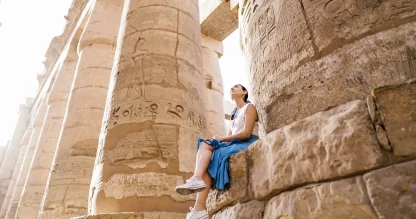
8 Day Egypt Package: Cairo to Abu Simbel Tour
Egypt package — sail the Nile, explore Cairo and Luxor, admire the Pyramids, and experience Abu Simbel’s magic. Luxury, culture, and adventure await. Reserve your dream tour today!
- 8 Days / 7 Nights
- Private Tour
Happy Travellers with Cairo Nile Cruise!
Take a look at our top Egypt Tours reviews, where you will find firsthand insights from our very own Intrepid travellers.