
Marsa Alam: Egypt's Red Sea Secret That Outshines Hurghada
Tired of crowded beaches? Done with tourist traps pretending to be "authentic"?
Let me introduce you to Marsa Alam—Egypt's Red Sea paradise that somehow stays off most travelers' radar. While everyone flocks to Hurghada and Sharm el Sheikh, this coastal town in southeastern Egypt offers something increasingly rare: pristine coral reefs, empty beaches, and underwater encounters that'll make your diving friends insanely jealous.
Ready to discover why Marsa Alam is the Red Sea destination you didn't know you needed?
What Makes Marsa Alam Different From Other Red Sea Resorts?
The Geography of Paradise
Marsa Alam sits about 270 kilometers south of Hurghada on Egypt's Red Sea coast, close to the border with Sudan. This location matters more than you'd think.
Why location creates magic:
- Further south = better coral preservation
- Less development = healthier marine ecosystems
- Harder to reach = fewer crowds
- Protected areas nearby (Wadi el Gemal National Park)
- Deep water close to shore (amazing for diving)
- Steady winds (perfect for kitesurfing)
The town itself remains small and unpretentious. No massive high-rise hotels dominating the skyline. No aggressive touts harassing you every five steps. Just laid-back resorts, excellent dive centers, and arguably the Red Sea's best remaining coral reefs.
From Fishing Village to Diving Mecca
Twenty years ago, Marsa Alam was barely on the map—literally just a small fishing village with one road.
Then came Marsa Alam International Airport in 2001, opening direct European routes. Dive operators discovered the pristine reefs. Resorts began appearing along the coast. But here's the key difference: Marsa Alam developed slowly and thoughtfully, avoiding the overdevelopment that damaged other Red Sea destinations.
The result?
- Healthier reefs than most of the Red Sea
- More marine life diversity
- Better underwater visibility
- Sustainable tourism practices
- Room to breathe (literally and figuratively)
This is what makes Marsa Alam special—it learned from other resort towns' mistakes.
The Underwater World Steps From Your Beach Chair
Here's what genuinely blows minds in Marsa Alam: world-class snorkeling literally from the beach.
No expensive boat tour required. No exhausting 200-meter swim to reach anything interesting. Just walk into the water with your mask and fins, and within 10 meters you're surrounded by technicolor fish, healthy coral formations, and marine life that northern Red Sea resorts lost decades ago to overdevelopment.
What you'll see snorkeling from shore:
- Hawksbill and green sea turtles swimming past daily
- Napoleon wrasse (huge, friendly, and curious)
- Moray eels hiding in coral crevices
- Thousands of colorful reef fish in massive schools
- Octopus changing colors as they hunt
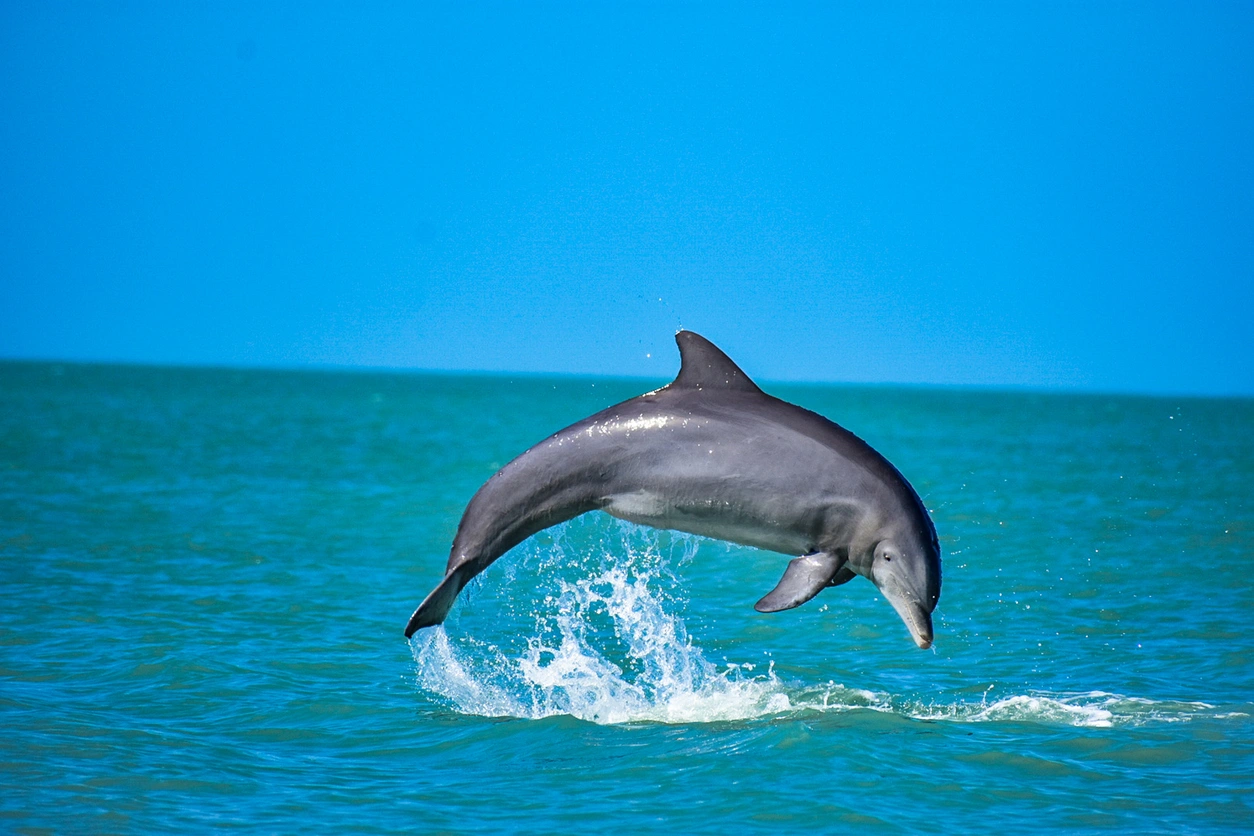
- Occasionally dolphins cruising through the bay
- With luck, dugongs grazing in seagrass beds
The water temperature stays comfortably warm year-round (22-29°C), and visibility often exceeds 20 meters. This accessibility to extraordinary marine life is Marsa Alam's true superpower.
Diving in Marsa Alam: Why Serious Divers Whisper This Name
World-Class Dive Sites Without the Underwater Traffic Jams
Ask experienced divers where they'd choose in the Red Sea, and many whisper: Marsa Alam.
The region offers over 50 documented dive sites, many accessible as shore dives (literally walk in from the beach), others requiring short boat rides. The variety ranges from gentle reef dives perfect for nervous beginners to dramatic walls and drift dives that challenge even technical divers.
Legendary dive sites that justify the flight:
Elphinstone Reef:
- Consistently rated among Egypt's absolute best dives
- Dramatic walls dropping vertically into the abyss
- Hammerhead sharks cruising by (seasonal, October-November)
- Oceanic whitetip sharks (the ocean's apex predators)
- Strong currents require experience and confidence
- 90-minute boat ride absolutely worth every minute
Dolphin House (Sha'ab Samadai):
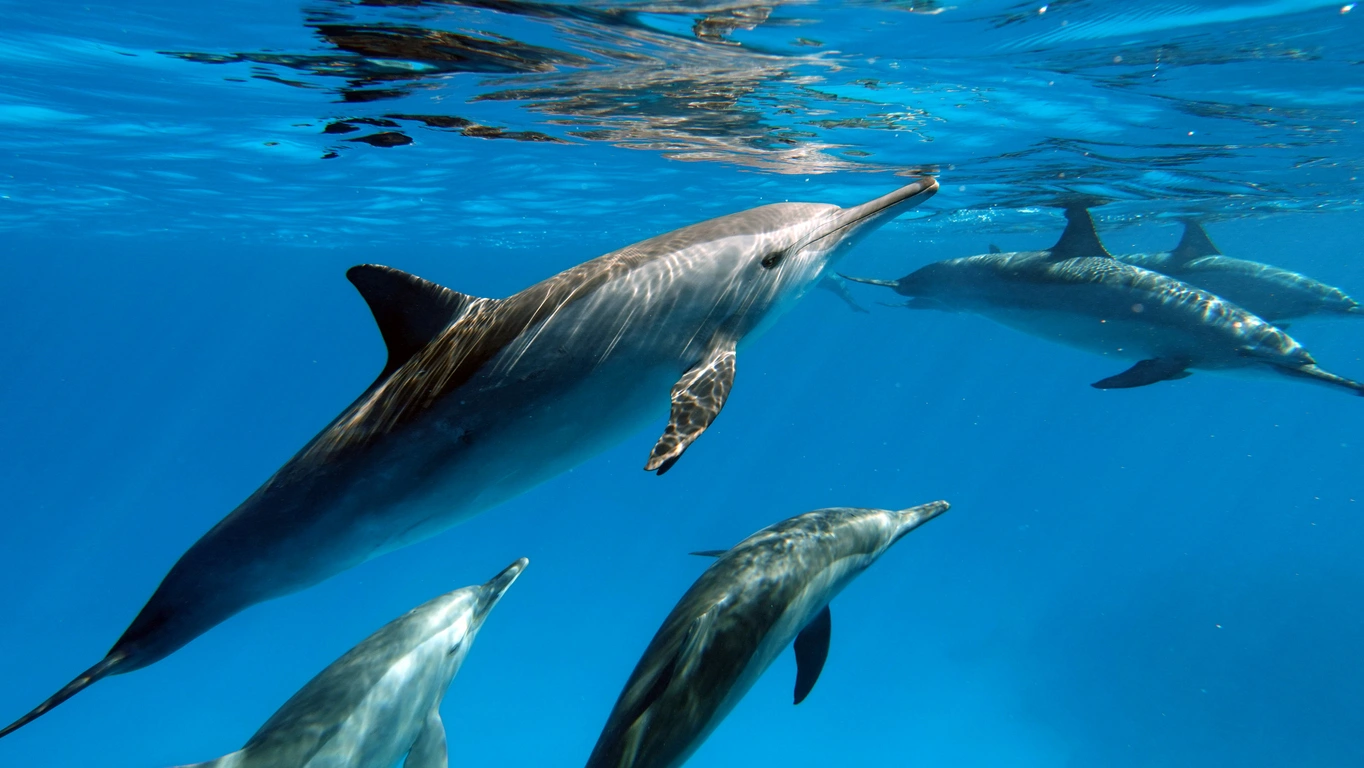
- Protected spinner dolphin sanctuary with strict visitor limits
- Dolphins genuinely interact with snorkelers and divers
- Beautiful horseshoe-shaped reef teeming with life
- Advance booking required (limited daily permits)
- Conservation fees directly support habitat protection
Abu Dabbab:
- Accessible as shore dive or easy boat dive
- Resident sea turtles providing guaranteed sightings
- Exceptionally gentle conditions ideal for beginners
- Dugongs sometimes appear (rare marine mammals)
- Macro photography paradise with tiny creatures
- Excellent night diving revealing nocturnal marine life
Marsa Shouna:
- Less-known gem rarely appearing in guidebooks
- Pristine coral gardens in perfect health
- Large schools of barracuda patrolling
- Napoleon wrasse encounters almost guaranteed
- Easy, comfortable conditions for all levels
- Often completely empty of other divers
Marine Life That Makes Underwater Photographers Weep With Joy
The biodiversity in Marsa Alam waters rivals anywhere in the Red Sea—many experienced divers claim it surpasses everywhere else they've explored.
Encounters you can genuinely expect:
- Sea turtles: Green and hawksbill species, daily sightings
- Dolphins: Spinner dolphins at Dolphin House, occasional pods elsewhere
- Sharks: Oceanic whitetips at Elphinstone, reef sharks everywhere
- Rays: Eagle rays, stingrays, occasionally massive mantas
- Dugongs: Rare sightings at Abu Dabbab and Marsa Mubarak
- Macro life: Nudibranchs, seahorses, ghost pipefish, crocodile fish
The healthy reefs support massive schools of fish—anthias, fusiliers, and snappers creating living walls of constant movement. Hard and soft corals display colors so vibrant they don't seem real. This is what the entire Red Sea used to look like before development damaged it.
Learning to Dive in Marsa Alam
Never dived before? Marsa Alam ranks among the world's best places to start.
Numerous PADI and SSI dive centers offer courses from absolute beginner to instructor level. The calm conditions, crystal-clear water, and abundant shore diving opportunities create an ideal learning environment without pressure.
Why learn to dive here:
- Gentle entry conditions directly from beaches
- Excellent visibility building confidence quickly
- Professional instructors (many European-trained)
- Small group sizes ensuring personal attention
- Affordable courses compared to European destinations
- Immediate access to amazing dive sites
- Practice skills comfortably without boat schedule pressure
PADI Open Water certification typically costs $300-400, significantly cheaper than most destinations while offering superior marine life encounters during training.
Beyond Diving: Activities When You Need a Break
Kitesurfing and Windsurfing Paradise
The steady winds blowing along Marsa Alam's coast create ideal conditions for wind sports enthusiasts.
Several beaches, particularly north of town, attract kitesurfers and windsurfers from worldwide. The wind blows consistently from March through October, with summer months (June-August) offering the strongest, most reliable conditions.
What makes Marsa Alam perfect for kitesurfing:
- Steady cross-shore winds providing safety
- Flat water in protected bays for learning
- Waves in open areas challenging advanced riders
- Multiple spots offering different conditions daily
- Professional kite schools with certified instructors
- Equipment rental widely available at reasonable prices
Complete beginners can take comprehensive courses at dedicated kite centers, while experienced riders discover challenging conditions and gloriously empty water.
Desert Adventures: When Beach Life Needs Balance
Marsa Alam sits where desert dramatically meets sea, and the inland landscapes absolutely deserve exploration.
Wadi el Gemal National Park:
- Protected desert and marine areas covering 7,450 km²
- Traditional Ababda nomad communities maintaining ancient lifestyles
- Ancient Roman emerald mines with historical significance
- Desert hiking trails through dramatic landscapes
- Rare mangrove forests (unusual in Egypt)
- Wildlife including Nubian ibex and Dorcas gazelles
Quad Biking Tours:
- Thrilling desert sunrise or sunset rides
- Authentic Bedouin village visits
- Traditional tea ceremonies in desert camps
- Incredible stargazing with zero light pollution
- Half-day or full-day adventure options
Camel Treks:
- Traditional desert transport experiencing slower pace
- More immersive cultural experiences
- Often combined with Bedouin overnight stays
- Sunrise and sunset options for photographers
- Unique perspective on desert landscapes
The dramatic contrast between underwater paradise and stark desert beauty makes Marsa Alam uniquely diverse among beach destinations.
Luxor and Aswan: Ancient Egypt Within Reach
Here's one of Marsa Alam's hidden advantages that guidebooks rarely emphasize: proximity to Luxor—Egypt's archaeological treasure trove.
Luxor sits just 230 kilometers (approximately 3 hours) inland from Marsa Alam, making combining beach relaxation with ancient temple visits far more practical than from other Red Sea resorts.
Popular combination itineraries:
- Marsa Alam beach relaxation + Luxor day trip
- Multi-day Luxor tour + Marsa Alam diving extension
- Nile cruise ending with Marsa Alam beach stay
- Aswan accessible for spectacular Abu Simbel temple trips
Several reputable tour operators run comfortable Luxor day trips from Marsa Alam, typically departing at 4 AM (yes, brutally early!) to visit Valley of Kings, magnificent Karnak Temple, and Luxor Temple before returning by evening.
Practical Planning: Making Your Marsa Alam Dream Reality
Getting There
By Air: Marsa Alam International Airport (RMF) receives direct flights from:
- European cities (primarily seasonal, winter months)
- Cairo (year-round domestic flights)
- Charter flights from UK, Germany, Italy, Russia
Approximate flight times:
- London: 5-5.5 hours direct
- Cairo: 1 hour domestic
- Moscow: 4.5 hours direct
Airport transfers:
Resort transfers usually included in package bookings
Taxis available (negotiate firmly in advance: 100-200 EGP)
Private transfers easily bookable online
By Road:
- From Hurghada: 3 hours south via coastal road
- From Luxor: 3 hours east through desert highway
- From Cairo: 8+ hours (exhausting drive, flying better)
When to Visit: Timing Your Escape
Marsa Alam enjoys excellent weather year-round, but timing significantly affects your experience.
Best Overall: March-May and September-November
- Perfect temperatures (25-30°C) for all activities
- Calm seas ideal for diving
- Lower resort prices than peak winter
- Less crowded than summer months
- Excellent underwater visibility
Peak Season: December-February
- European winter escape destination
- Higher prices and increased crowds
- Still pleasant weather (20-25°C)
- Excellent diving conditions
- Book accommodations well in advance
Budget Season: June-August
- Extremely hot temperatures (35-40°C+)
- Lowest prices on everything
- Fewer tourists everywhere
- Strong winds (perfect for kitesurfing)
- Diving remains excellent if you handle heat
Seasonal highlights:
- October-November: Hammerhead sharks at Elphinstone
- February-March: Almond blossoms in inland wadis
- June-September: Best kitesurfing wind conditions
- Year-round: Sea turtles and dolphins
The question is: will you find it before everyone else does?
FAQs
Q1: How do I get to Marsa Alam from Europe or Cairo?
Direct flights operate from European cities (mainly UK, Germany, Italy) to Marsa Alam International Airport, taking 5-5.5 hours. From Cairo, it's a 1-hour flight or 8-hour drive. Most resorts include airport transfers in packages.
Q2: When is the best time to visit Marsa Alam for diving and weather?
March to May and September to November offer ideal conditions—comfortable temperatures (25-30°C), calm seas, excellent visibility, and lower crowds. December to February is peak season with higher prices. Summer (June-August) is hot but budget-friendly.
Q3: Can I see sea turtles and dolphins in Marsa Alam?
Yes, guaranteed. Abu Dabbab and Marsa Mubarak have resident sea turtle populations visible daily while snorkeling from shore. Dolphin House (Sha'ab Samadai) hosts spinner dolphins year-round. Dugongs occasionally appear in seagrass beds.
Q4: Is Marsa Alam good for beginner divers and non-divers?
Absolutely. Excellent shore diving with gentle conditions makes it perfect for learning. World-class snorkeling from beaches means non-divers enjoy incredible marine life. Many activities available: kitesurfing, desert trips, beach relaxation. Family-friendly resorts cater to all ages.
Q5: How far is Marsa Alam from Luxor and can I visit the temples?
Luxor is 230 kilometers (3 hours) from Marsa Alam. Day trips visit Valley of Kings, Karnak Temple, and Luxor Temple, leaving early morning and returning evening. Combining beach time with ancient Egypt temples is easier from Marsa Alam.
Q6: What's the difference between Marsa Alam and Hurghada for diving?
Marsa Alam offers healthier coral reefs, less crowded dive sites, better shore diving, and more pristine marine ecosystems. Hurghada has more nightlife and infrastructure but overdevelopment damaged many reefs. Serious divers prefer Marsa Alam's underwater quality.
Related Tours
More Articles You May Like
Happy Travellers with Cairo Nile Cruise!
Take a look at our top Egypt Tours reviews, where you will find firsthand insights from our very own Intrepid travellers.