
Every Day Felt Like a Dream: My Journey Through the Best Things to Do in Egypt
When I first landed in Cairo, I could feel the hum of history in the air — a rhythm that pulsed through the streets, the markets, and even the light. The city felt alive: chaotic, beautiful, and endlessly fascinating. From the golden dust that clung to the Pyramids of Giza to the aroma of cardamom drifting from street cafés, everything about Egypt seemed to tell a story. Over several weeks, I followed those stories — across temples, deserts, seas, and cities — finding not just ancient wonders, but quiet, unforgettable moments that stayed long after I left.
My Journey Through Egypt: A Story of Time, Beauty, and Connection
1- Cairo and Giza: Where Time First Spoke
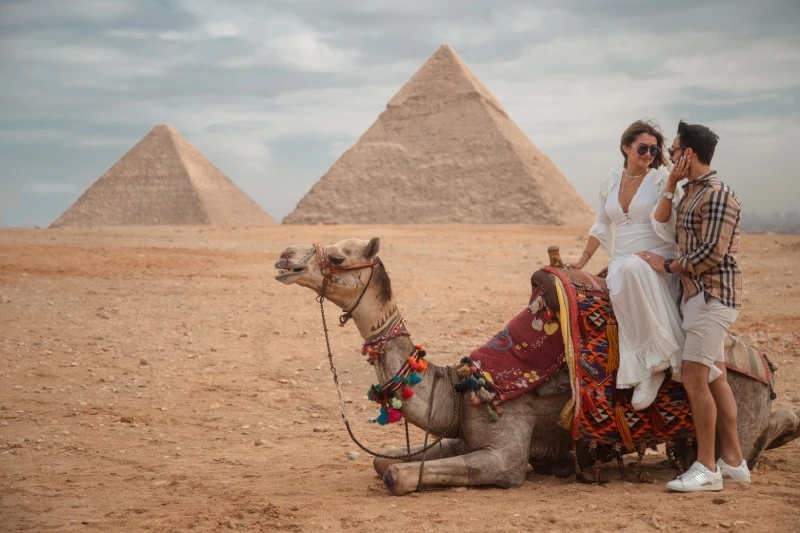
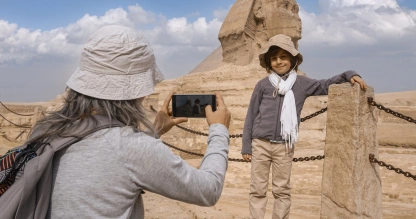
My first stop was the Giza Plateau, and no photograph could prepare me for standing beneath those monumental pyramids as the sun rose. The air was still, and the light turned the ancient stones into molten gold. I wandered slowly, letting the magnitude of it all sink in. Nearby, the Sphinx watched in silence, a guardian that had seen centuries come and go.
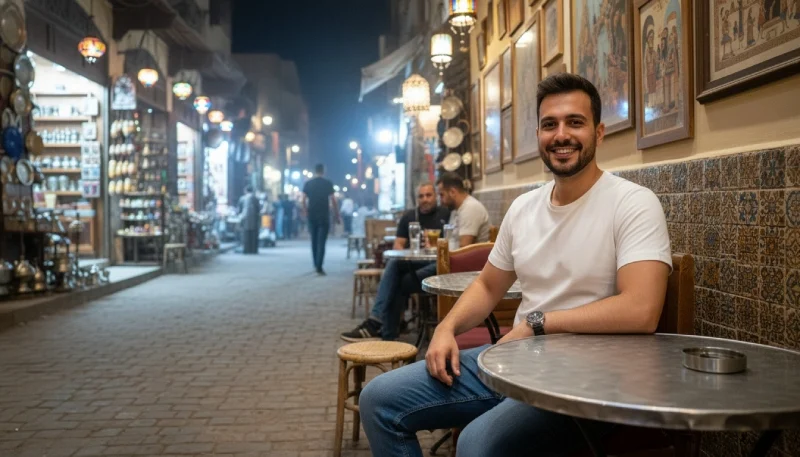
Later, I dove into Cairo’s old quarters, where the call to prayer echoes between narrow alleys and every turn reveals a burst of color — brass lamps, embroidered fabrics, and clouds of spice-scented air. I sat with locals over mint tea in Khan el Khalili, that timeless bazaar where laughter, bargaining, and history blend effortlessly. At the Citadel, Cairo sprawled below me — a sea of minarets and rooftops glowing in afternoon light. There, I realized Egypt’s magic isn’t just in its monuments; it’s in its people, its rhythm, its heartbeat.
2- Alexandria: Where the Sea Whispers Egypt’s Stories
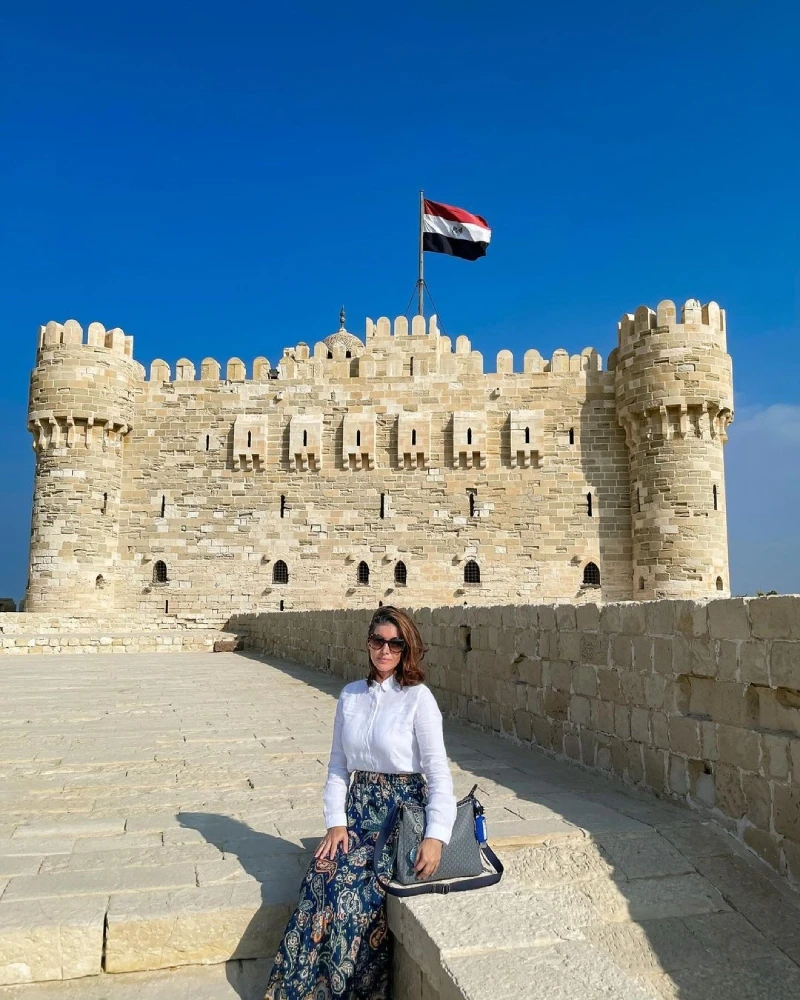
Inside the stunning Bibliotheca Alexandrina, sunlight poured through the glass ceiling, illuminating shelves upon shelves of knowledge — a modern echo of the world’s first great library. Later, at a seaside café, I sipped thick coffee and watched fishing boats sway with the tide, imagining Cleopatra once gazing at this same horizon. Alexandria, with its quiet charm and graceful blend of history and sea, left me spellbound — a memory wrapped in salt air and sunlight.
3- Desert Adventures: Beneath a Blanket of Stars
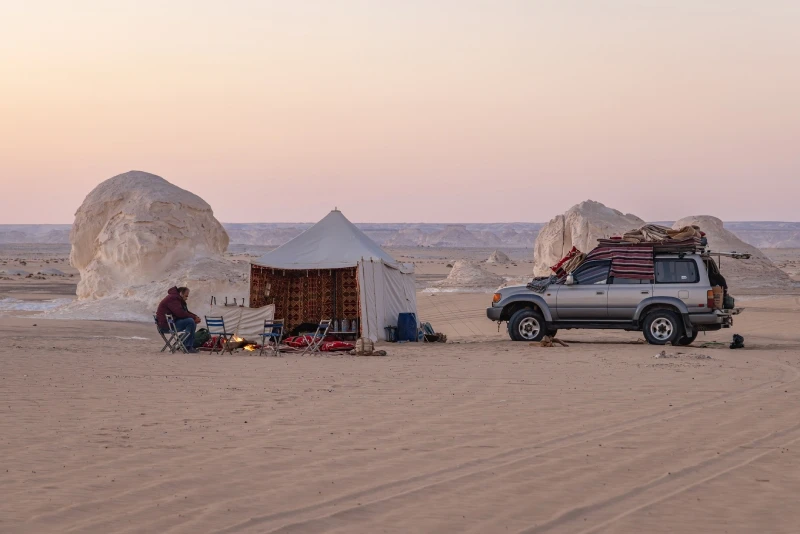
Before heading deeper into the country, I set out for the White Desert — one of Egypt’s most surreal landscapes. From the Bahariya Oasis, the road stretched endlessly into waves of golden sand and strange white rock formations shaped by time and wind. As sunset fell, everything turned amber and still, the silence so complete it felt sacred.
That night, we built a small fire beneath a sky overflowing with stars. I remember sipping sweet tea, the flames crackling softly, and feeling utterly at peace. Out there, far from the cities, I understood a different kind of Egypt — one that doesn’t shout, but whispers through sand and starlight.
4- Luxor: Walking Through Living History
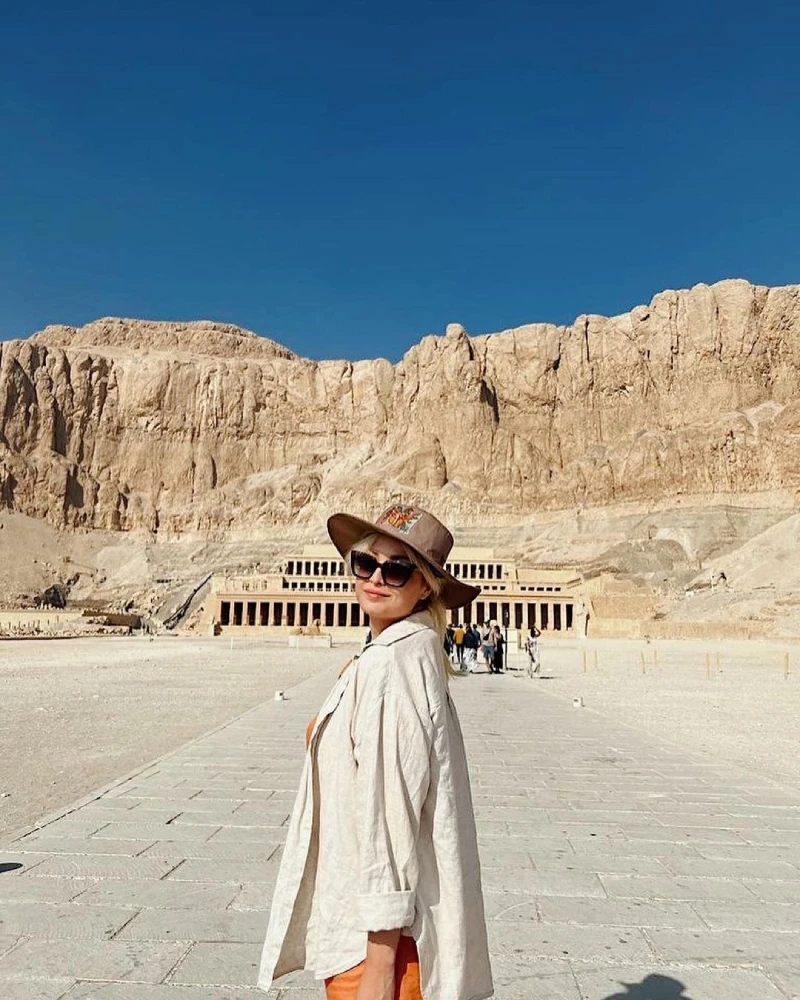
From the desert, I journeyed south to Luxor, the ancient city once known as Thebes. Every stone here feels alive with memory. In the Valley of the Kings, I walked down into tombs painted in brilliant blues and golds that had survived thousands of years untouched by time. Later, standing before the Temple of Hatshepsut, I imagined boats once arriving at its base — a grand entrance to eternity itself.
At Karnak Temple, the scale was breathtaking. The columns towered above me like giants, every inch carved with stories of gods, pharaohs, and the eternal sky. In the evening, as the sun melted over the Nile and the call to prayer rose in the distance, Luxor felt like a bridge between worlds — the ancient and the now.
5- Gliding Along the River on a Nile Cruise
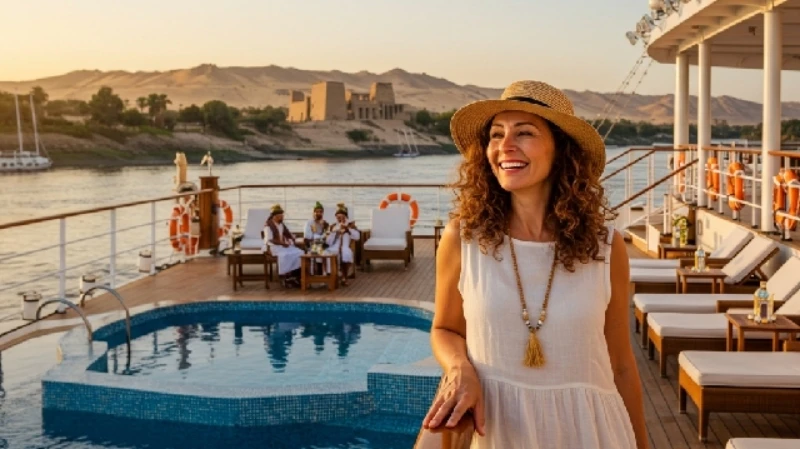
From Aswan, I boarded a riverboat and began one of the most peaceful journeys of my life. The Nile flowed quietly, reflecting palm trees, small villages, and timeless ruins. The air smelled of river reeds and sun-warmed stone. At dawn, the water turned pink and gold; at night, the stars mirrored themselves in the current.
Each stop revealed something extraordinary — Kom Ombo, with its perfectly symmetrical twin temples; Edfu, whose towering columns seem to touch the heavens; and little riverside towns where children waved as we passed. Evenings brought soft music, floating lanterns, and endless conversation beneath the stars. The Nile Cruise wasn’t just travel — it was a slow unfolding of Egypt’s soul, seen from the water that has sustained it for millennia.
6- Diving into the Red Sea: Egypt’s Hidden World Beneath
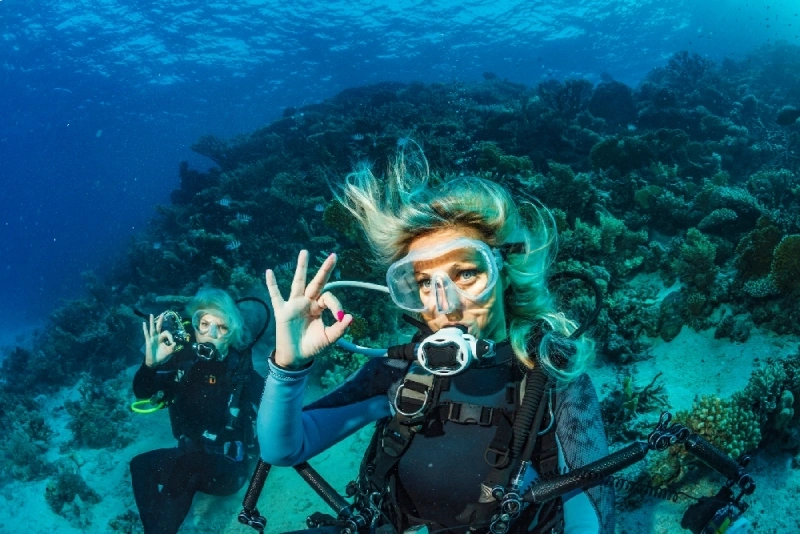
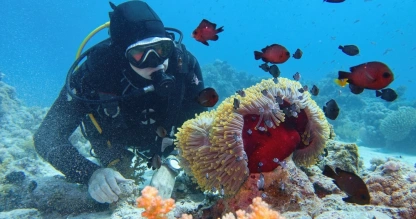
After temples and tombs, I craved water again — so I headed east to the Red Sea. The first plunge beneath its turquoise surface left me breathless. The world below was a living kaleidoscope — coral gardens, curious fish, rays of sunlight painting the seabed gold.
Each dive felt different: drifting through the Blue Hole of Dahab, exploring coral forests in Hurghada, and gliding over rainbow reefs in Sharm El-Sheikh. Every moment was alive with color and motion. Above the water, evenings were soft and golden — the perfect blend of sea breeze, quiet laughter, and that unmistakable Egyptian warmth.
7- The Flavors and Soul of Egypt
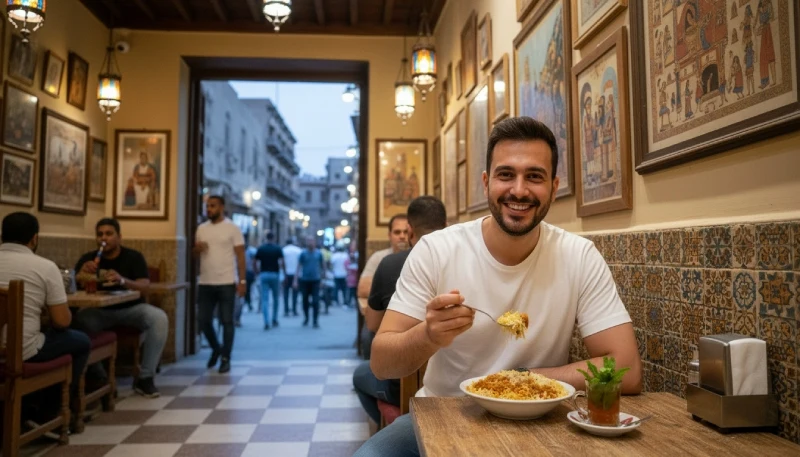
Traveling through Egypt isn’t just about what you see — it’s about what you taste and feel. I still remember my first bowl of koshari, a humble mix of lentils, pasta, and crispy onions that somehow tastes like comfort and history at once. I tried fresh falafel (taameya), still hot from the pan, and sipped cardamom-spiced coffee while life unfolded around me.
In Cairo’s bustling markets, I wandered between stalls glowing with brass lamps, colorful fabrics, and pyramids of fragrant spices. I left with small treasures — not just souvenirs, but memories of conversations, smiles, and shared tea. Egypt isn’t just seen; it’s experienced with every sense wide open.
When to Go and How to Embrace It
If you’re planning to visit, go between October and April, when the air is cooler and the light softer. Give yourself time — at least a week, maybe two — to let the country unfold at its own pace. Take the train or a short flight between cities, but don’t rush. Some of the best moments come from slowing down — a quiet temple courtyard, a still desert night, or a sunrise on the water.
Dress simply and respectfully. Talk to locals, ask questions, listen to their stories. Egypt opens up when you approach it with curiosity and humility — not as a checklist, but as an experience to feel deeply.
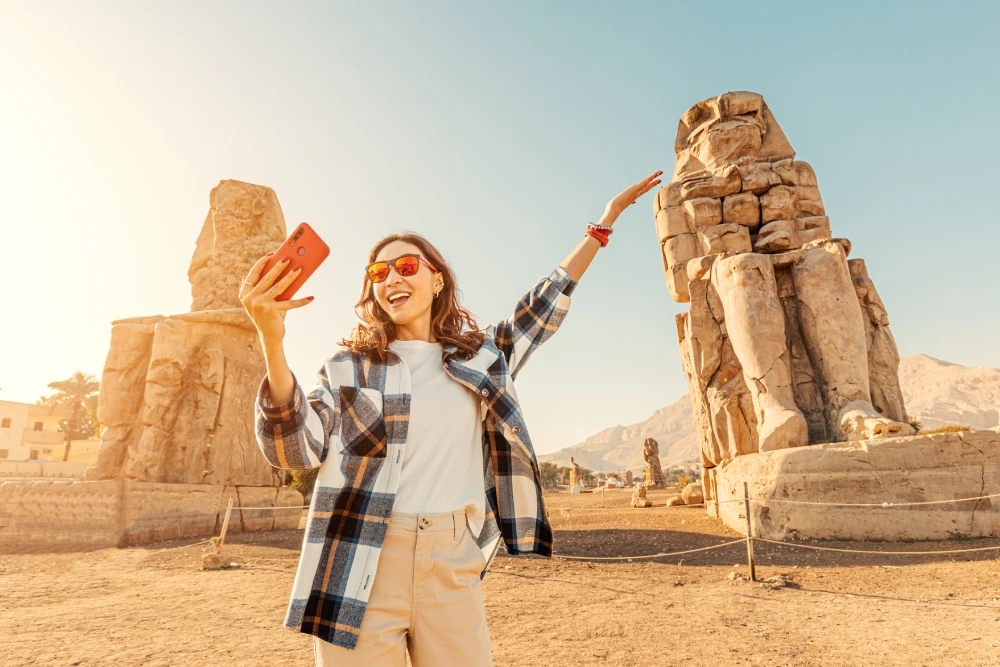
Discover hidden gems and iconic landmarks among the top things to do in Egypt. Enjoy peaceful Nile River cruises and curated Egypt travel packages that combine culture, adventure, and comfort. Start planning your once-in-a-lifetime journey today!
FAQs :
1- What’s the best time to visit Egypt for sightseeing?
You’ll enjoy Egypt most between October and April, when the weather’s cooler and perfect for exploring temples, tombs, and the Nile.
2- How many days do I need to see the highlights of Egypt?
Ideally, spend 7 to 10 days. That gives you time to explore Cairo, Aswan, Luxor, and enjoy a relaxing Nile cruise in between.
3- What are the must-see attractions in Aswan?
Don’t miss Philae Temple, Nubian villages, and a peaceful felucca ride at sunset. Aswan is Egypt’s laid-back gem on the Nile.
4- What can I do in Luxor besides visiting temples?
You can take a hot air balloon ride over the Valley of the Kings, stroll through Luxor’s souks, or watch the Sound and Light Show at Karnak Temple.
5- Can I swim or snorkel in Egypt?
Yes! Head to the Red Sea resorts like Hurghada or Sharm El-Sheikh — the coral reefs and crystal waters are world-famous for diving and snorkeling.
6- What should I pack for a trip to Egypt?
Bring light, breathable clothes, a hat, sunscreen, and comfortable shoes for temple walks. A scarf or shawl is handy for visiting mosques or desert evenings.
7- Is Egypt safe for travelers right now?
Yes, Egypt is generally safe for tourists. Stick to well-known areas, use reputable guides, and follow local advice, especially when exploring rural regions.
8- How do I get around Egypt easily?
You can travel between cities by domestic flights, trains, or private tours. In cities like Cairo or Luxor, taxis and ride apps make short trips easy.
9- What’s the food like in Egypt?
Delicious and hearty! Try koshari, falafel (taameya), grilled kebabs, and sweet basbousa. Egyptian cuisine is flavorful, affordable, and full of local charm.
10- What’s the dress code for tourists in Egypt?
Dress modestly — light pants, long skirts, or shirts with sleeves work well. At resorts, beachwear is fine, but in temples or mosques, cover shoulders and knees.
11- Can I take photos everywhere in Egypt?
You can take photos almost everywhere, but some sites (like tomb interiors or museums) require a photo pass. Always ask before photographing locals.
12- What makes traveling in Egypt so special?
It’s the mix of ancient wonder and everyday life — watching sunsets over the Nile, wandering temple ruins, diving in coral reefs, or sipping tea in Cairo’s old streets. Every experience feels timeless.
Related Tours

Egypt Vacation Package: Cairo, Nile Cruise & Sharm El Sheikh Tour
Discover Cairo, Luxor, Nile, and Sharm with this Egypt vacation package. Immerse yourself in history, culture, and luxury travel. Secure your premium 10-day adventure today!
- 10 Days / 9 Nights
- Private Tour
12 Day Egypt Tour – Discover Cairo, the Nile & Red Sea
12-Day Egypt Tour — Cruise the Nile, Explore Pyramids, Visit Luxor, and Relax in Hurghada for a Perfect Adventure. History and comfort await. Book your Egypt vacation today!
- 12 Days / 11 Nights
- Private Tour
Egypt Tour: Cairo to Luxor Tour
5 Day Egypt Tour — Discover Cairo, Luxor, and the Nile in style. Enjoy guided tours, luxury accommodations, and timeless landmarks. Reserve your premium Egyptian adventure now and make memories to last a lifetime!
- 5 Days / 4 Nights
- Private Tour
7 Days Egypt and Nile Cruise Tour
Experience history and luxury on an Egypt and Nile cruise tour — cruise the Nile, admire pyramids, explore Luxor temples, and visit iconic landmarks. Reserve your unforgettable journey today!
- 7 Days / 6 Nights
- Private Tour
More Articles You May Like
Happy Travellers with Cairo Nile Cruise!
Take a look at our top Egypt Tours reviews, where you will find firsthand insights from our very own Intrepid travellers.